
Sip Happens: The First Rule of Water Club: Sip! Don’t Chug!
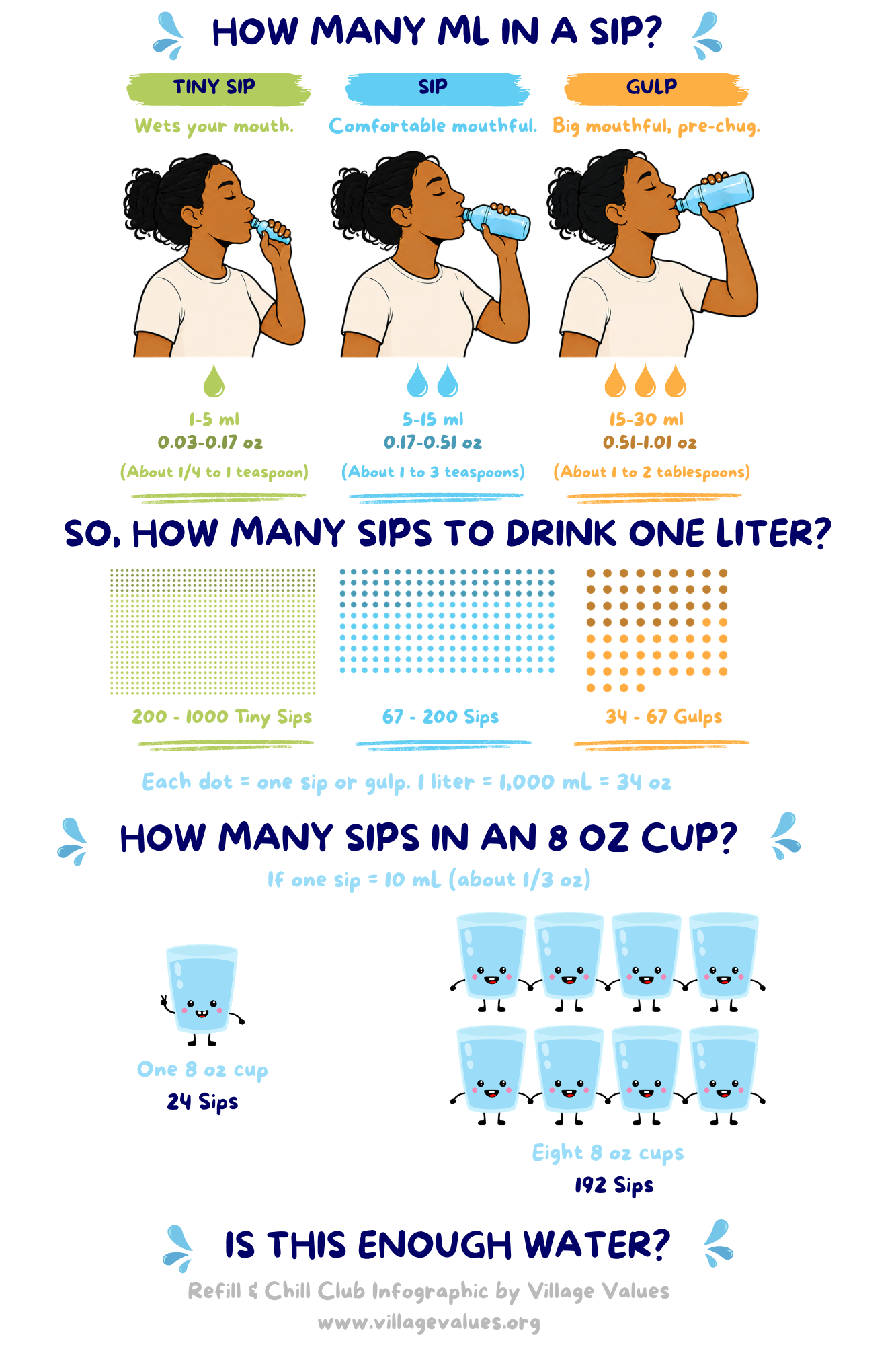
How many mL in a sip?
Which brings us to the first rule of Water Club:
Sip, Don’t Chug!
I used to ignore hydration advice… until water changed everything.
My body had been quietly asking for help for years, and I finally started listening.
This is the story of how one chronically dehydrated human accidentally became the Chief Hydration & Outreach Officer (CH₂O) of her own life.
Estimated read time: 10 minutes (💧 Sip breaks not included but encouraged).
TL:DR?
Skip to #Hydration-Hacks.
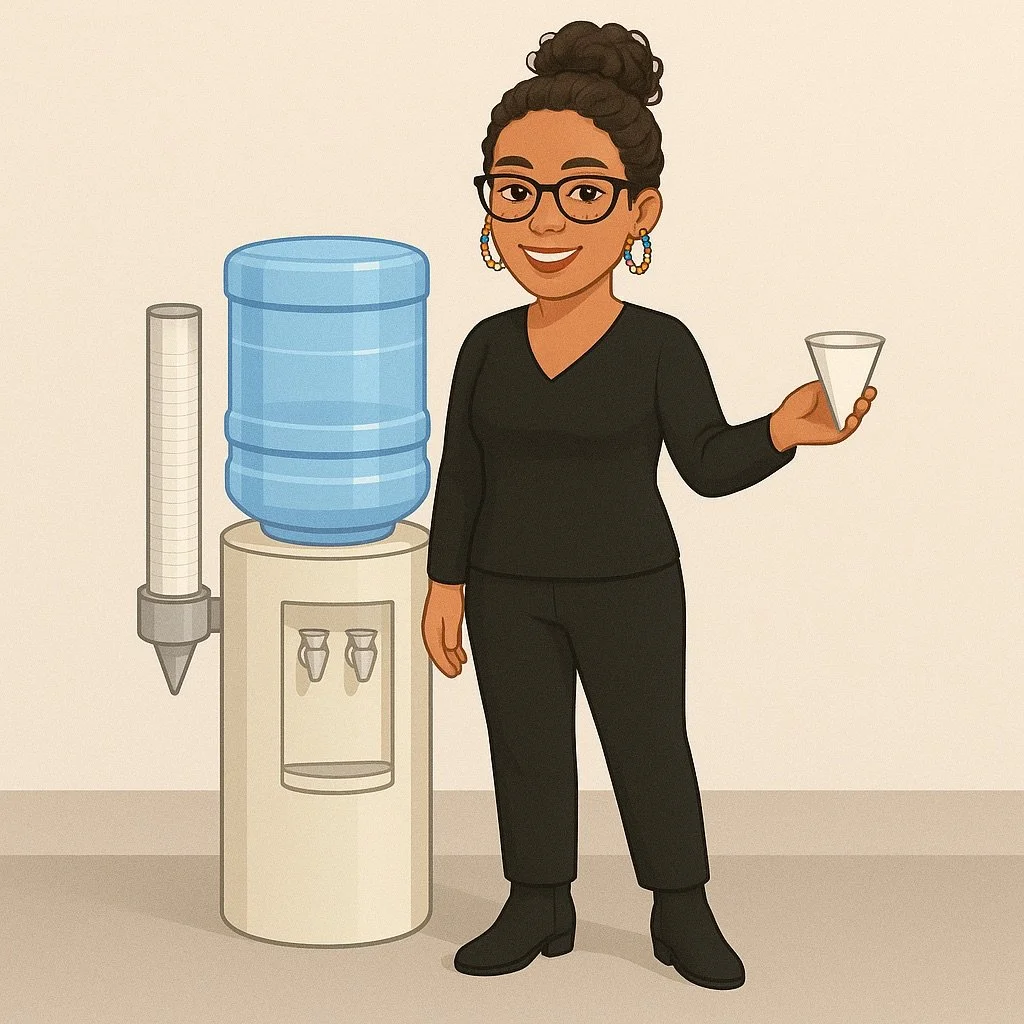
Onjena Yo: Chief Hydration Outreach Officer (CH2O)
What’s Water?
I’ve been dehydrated for most of my life. Like “nurses couldn’t find a vein when drawing blood” level of dehydration.
My sister, TJ, has been telling me to drink more water FOR DECADES. So have my doctors. But what does that even mean?
“Drink more water” is one of those vague health suggestions, like “stress less” or “get more sleep.” It’s easy to nod at and forget five minutes later. Eight glasses? Of what? Does coffee count? Tap or bottled? Cold or room temp?
It’s advice so casually tossed around that I never really took it seriously.
The Turning Point
I will never forget the day TJ tried to carry two cases of water home from the grocery store because it was “only four blocks away.”
Watching her struggle down the block, sweating, stubborn, I realized she was serious about hydration.
That week, I started the “one gallon of water a day” (128 oz or 3.8 liters) challenge. It sounded intense, but I was curious, and tired of feeling tired, achy and foggy.
I bought the giant water bottle marked with times and words of encouragement, cleared some bladder space, and got started.
Within three months, I noticed changes. At six months, I could describe those changes.

TJ: Four blocks. Forty bottles. Committed to hydration.
What Changed? A Lot.
No more knee pain.
With steady hydration, my chronic knee pain just… faded away. No drama. No pills. Just water.
Better sleep.
I fell asleep faster and stayed asleep longer. My body felt less tense. My brain wasn’t buzzing.
Even on four hours of sleep, I felt more rested.
Not every night was perfect, but hydration helped my body bounce back faster, regardless of how long I slept.
Lower anxiety.
My mind felt calmer. Fewer spirals. Water didn’t erase anxiety, but it turned the volume way down.
Clearer thinking.
Our brain is about 73% water, and I felt every drop. Less fog. Better focus. More “I’ve got this!” and less "What was I doing?" energy.
The Moment Curiosity Became Conviction

A leaping Onjena Yo, panicked about impact
About six months into my hydration journey, I finished watering my tree on our raised planter and without thinking, I jumped off the planter.
Mid-air, I panicked.
“WTH, Onjena, your knees can’t handle this. You’re going to be limping for weeks.”
I landed… and nothing happened. No pain. No swelling. No stiffness.
After i had my knee surgery in high school, my doctors predicted that I would have to live with chronic pain for the rest of my life and I did, for decades. Not anymore.
That leap off the planter was the moment I realized my knees weren't broken, just thirsty.
Since then, I’ve shared this with anyone who would listen, especially if they’ve talked about back or knee pain… or have a stagnant water bottle on their desk.
I always find a way to seep in.
Hydration ≠ Just Drinking Water

This was another hydration lesson I had missed for decades: being hydrated is not the same as just drinking more water.
You can chug a bottle and still be dehydrated if you:
Lose too much through sweat
Don’t retain enough fluid
The key? Sipping steadily throughout the day.
I had read about this man who received a kidney transplant from his sibling and he went on to have one of the longest-lasting kidney transplants in medical history. (Living donor kidneys can last about 15-20 years.)
His secret? He sipped water, all day, every day. Never chugged. Just consistent, gentle hydration. That story stuck with me and completely reshaped how I approached drinking water.
(If you know the article I’m talking about or can find it, please send it my way. I’d love to reread it and give proper credit to the man who helped change my habits.)
The message I took from it was simple:
Sip. Don’t chug.
Tiny actions. Repeated consistently.
It’s the first rule of Water Club.
How Much Water Should You Drink?
A common rule of thumb:
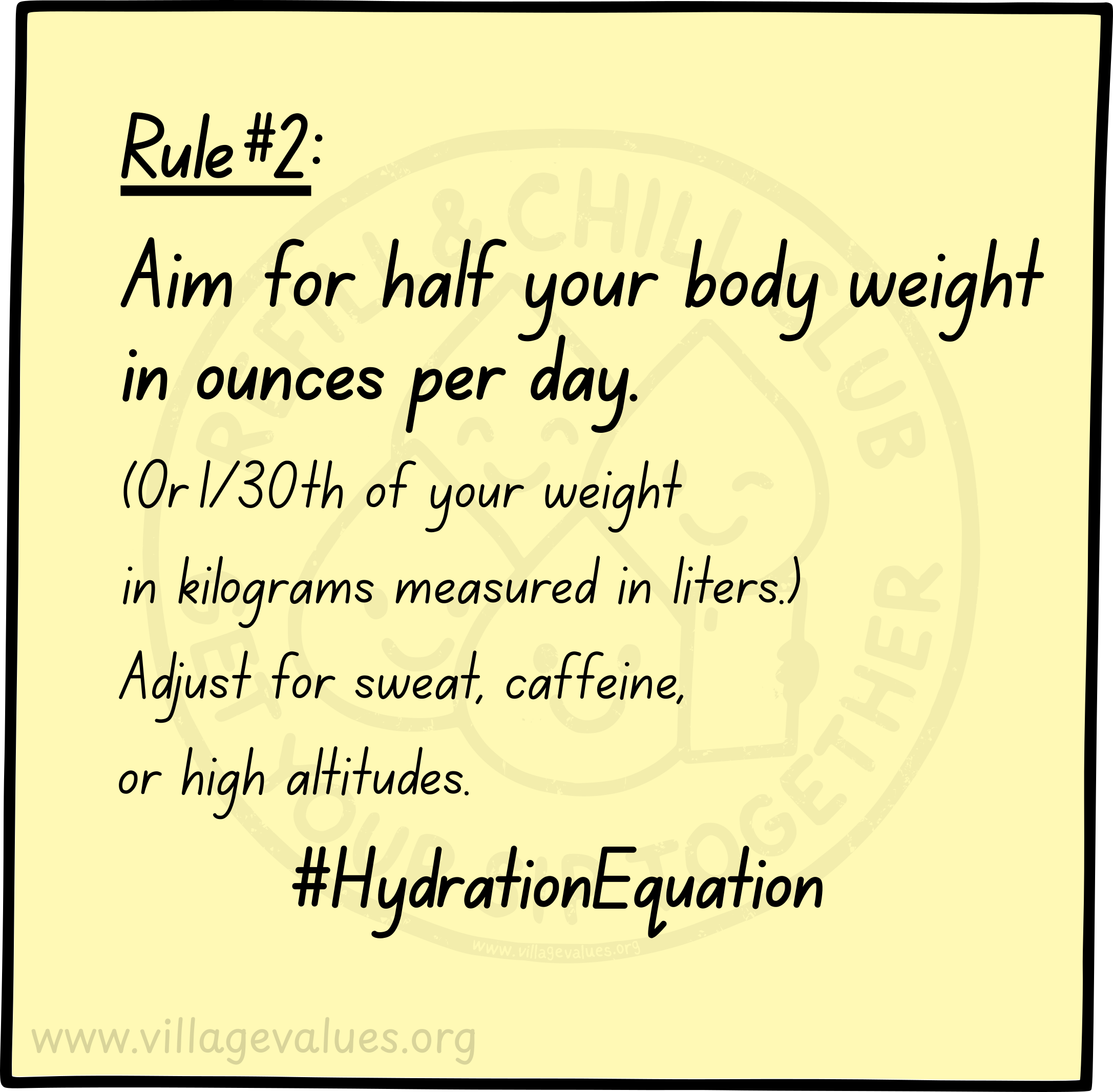
Drink half your body weight in ounces.
160 lbs → 80 oz/day
200 lbs → 100 oz/day
Ounces? What does that even mean?
Let’s translate:
8 oz ≈ 1 cup ≈ 240 mL
16 oz ≈ 1/2 liter
32 oz ≈ just under 1 liter
120 oz ≈ ~3.5 liters a day
Metric system folks: Divide your weight in kilograms by 30. (So if you’re 60 kg → aim for about 2 liters/day)
You’ll need even more water if you:
💦 Sweat heavily (exercise, heat, hot flashes, etc.)
🍷Drink alcohol
🤰🏽 Are pregnant or breastfeeding
🤒 Are sick (fever, vomiting, diarrhea)
🏔️ Live at high altitude (5,000 ft/1,500 m+ - think Denver); your body breathes more to get oxygen and loses water with each breath
TL:DR: If you’re not at sea level, stress-free, and sipping cucumber water in a chill breeze…you probably need more water than you think.
Tap In. Bottle Out: My Hydration Hacks






Excuses, Excuses: Confessions to the CH₂O of the Refill & Chill Club
Sip Happens
It was a natural progression to become the Chief Hydration Outreach Officer (CH2O) at work. I check in on people’s water intake like it’s a performance review.
Some try to dodge the conversation:
“But coffee counts, right?”
No. Coffee is not your hydration hall pass. I’ve been known to:
Call out water bottles that haven’t moved in hours
Casually pick up Yetis to check how full they are
Become instant best friends with anyone carrying the same water bottle as me
Our club evolved organically. We sip. We compare step counts. We refill and chill. Sip happens. Regularly. And life changes.... #SipbySip
Still here?
Follow the flow:
How water gets to your home: Tales of a Water Drop
How to protect our water: Water Protector
Need a laugh: Sips & Giggles Comic
What Does 54,000 Plastic Water Bottles Look Like?

My sister and I bought plastic water bottles for road trips, guests, or construction crews. Once I committed to hydrating properly, I ditched plastic bottles and really leaned into tap water + a good reusable bottle.
If I drank 3 plastic bottles/day for 50 years, that’s 54,750 bottles…about 4 garbage trucks of plastic. Plastics can fragment into micro- and nanoplastics for generations.
Is 50 years of convenience worth generations of consequence?
Spray It Forward
Make your “water cooler talk” actually about water. Get your sip together and start or join a “Refill and Chill Club.”
My Mom regularly checked in with me with these questions:
“Did you eat dinner?”
“Did you eat something good?”
“Did you eat something green?”
My version?
“How’s your water intake?”
Like mother, like daughter, trying to save our loved ones, one sip at a time.
Your Turn! Got your own hydration hacks, wins, or hilarious bathroom break mishaps? We’d love to hear them. Add your story to our #VillageValues Snap Book! Use the hashtag #GetYourSipTogether and tag @villagevalues.bsky.social so we can feature your water journey.
Because every sip counts.

From a colleague, thankful for my sip patrol.
Do You Know Where Your Drinking Water Comes From?
Before we talk about hydration, we also need to know where our water comes from. Tales of a Water Drop follows the adventures of the Drop Squad: Splash, Ripple, and Plop as they journey from watersheds to your tap and back out to nature to start the cycle all over again.
New York City: Tales of a Water Drop


Most of NYC’s water is so pure from its Catskill–Delaware Watersheds, it doesn’t need a filter, just a gentle bath in ultraviolet light to stay safe. About 10% of the city’s water is treated through the Croton Water Filtration Plant in the Bronx.
NYC has 14 wastewater treatment plants, cleaning about 1.4 billion gallons of flow per day. The largest is the Newtown Creek Wastewater Treatment Plant, located on the Brooklyn–Queens border.
Albany, New York: Tales of a Water Drop (Cuentos de Una Gota de Agua)


Most of Albany’s water comes from the Alcove Reservoir, about 20 miles south of the city. It flows by gravity to the Feura Bush Water Treatment Plant, then north to Loudonville, where it’s pumped to the homes, schools, and businesses of Albany.
Albany produces about 20 million gallons of clean water each day. Most wastewater is treated by the Albany County Water Purification District, while some flows to the Beaver Creek Clean River Facility, where it’s cleaned before returning safely to the Hudson River.
Coach TJ kindly translated “Tales of a Water Drop into Spanish as well! Check it out!
Buffalo, NY: Tales of a Water Drop


Most of Buffalo’s water comes from Lake Erie. It’s drawn in at the Colonel Ward Water Treatment Plant, where it’s filtered, disinfected, and pumped through miles of pipes to homes, schools, and businesses across the city.
Buffalo produces about 70 million gallons of clean water every day. After use, wastewater travels to the Bird Island Wastewater Treatment Plant, where it’s carefully cleaned before returning safely to the Niagara River.
Celebrate Your City’s Water!
Bring Tales of a Water Drop to your community. Each mini-book is printed on a single sheet of paper: fold, cut, and read!
Designed for classrooms and communities everywhere!
Email us for your Tales of a Water Drop mini-book kit!
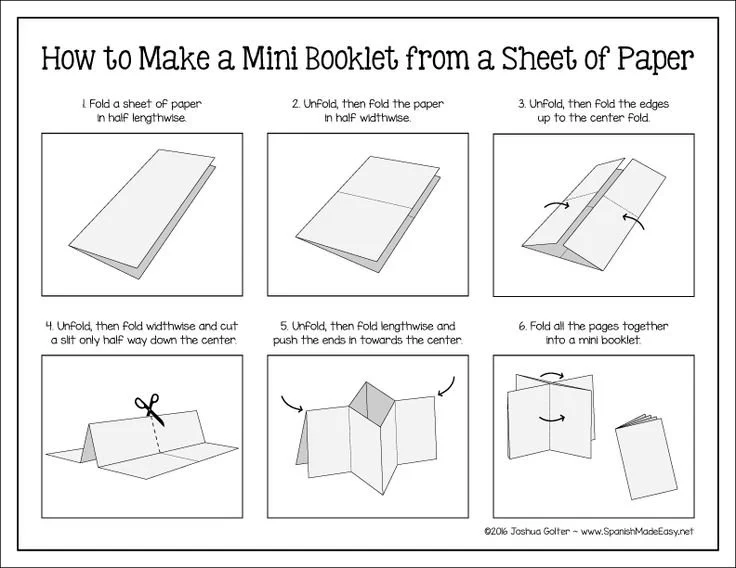
Special shout out to Joshua Golter of www.SpanishMadeEasy.net. Making my public servant dreams come true - cross-pollinating miniatures, books and accessibility!
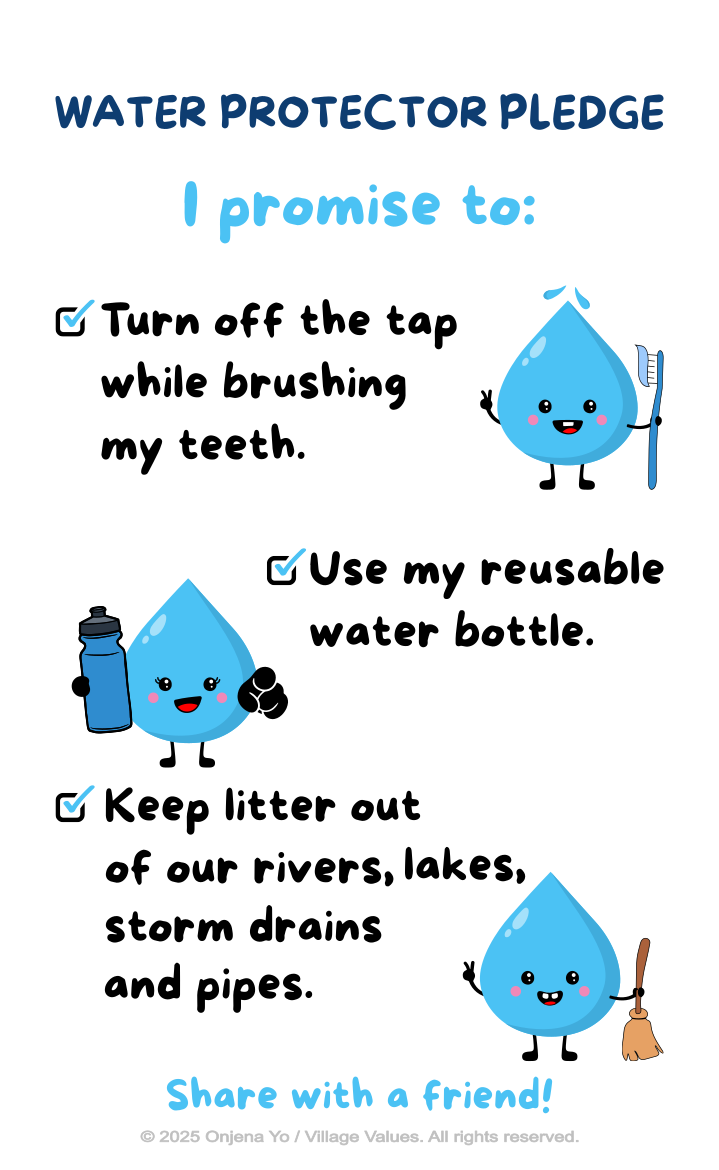
Every Drop Counts! Be a Water Protector!
Follow the Flow! Connect the hearts! Take the pledge. Become a Water Protector!
Email us for your Water Protector kit!


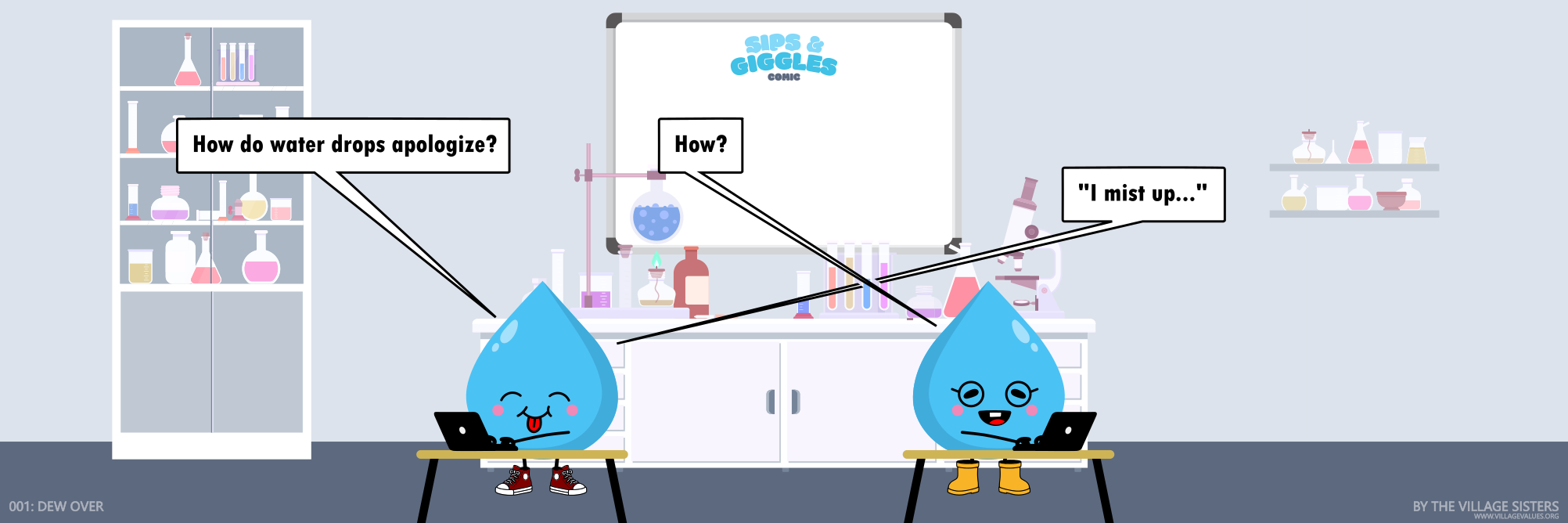
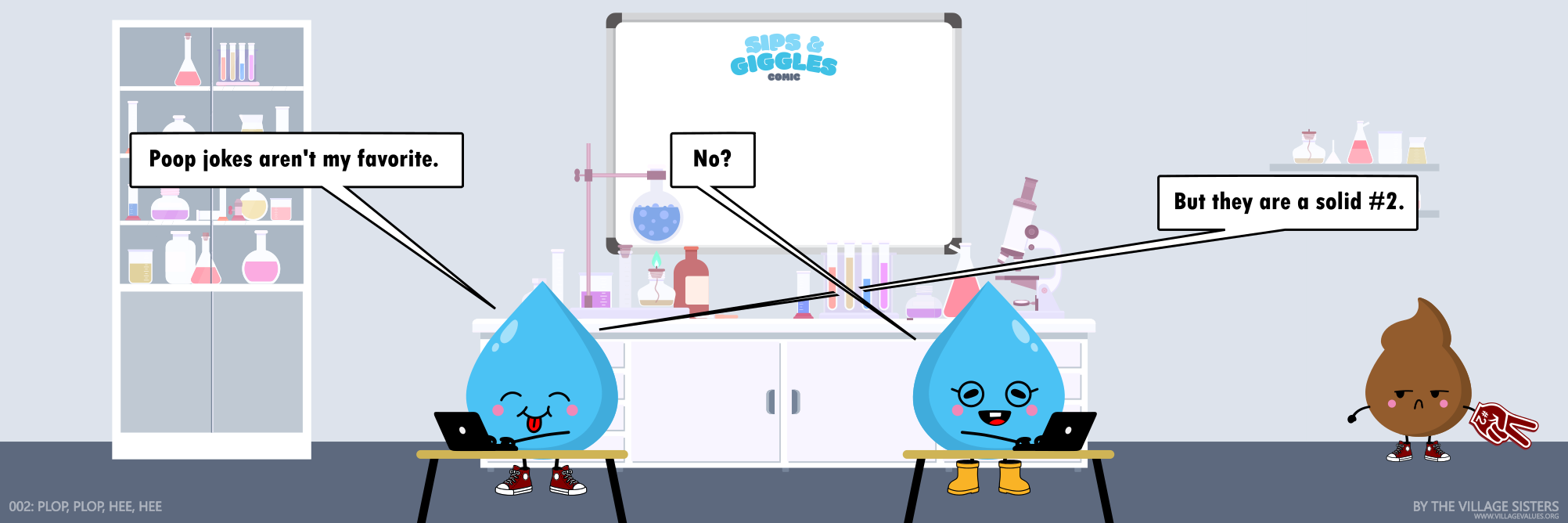
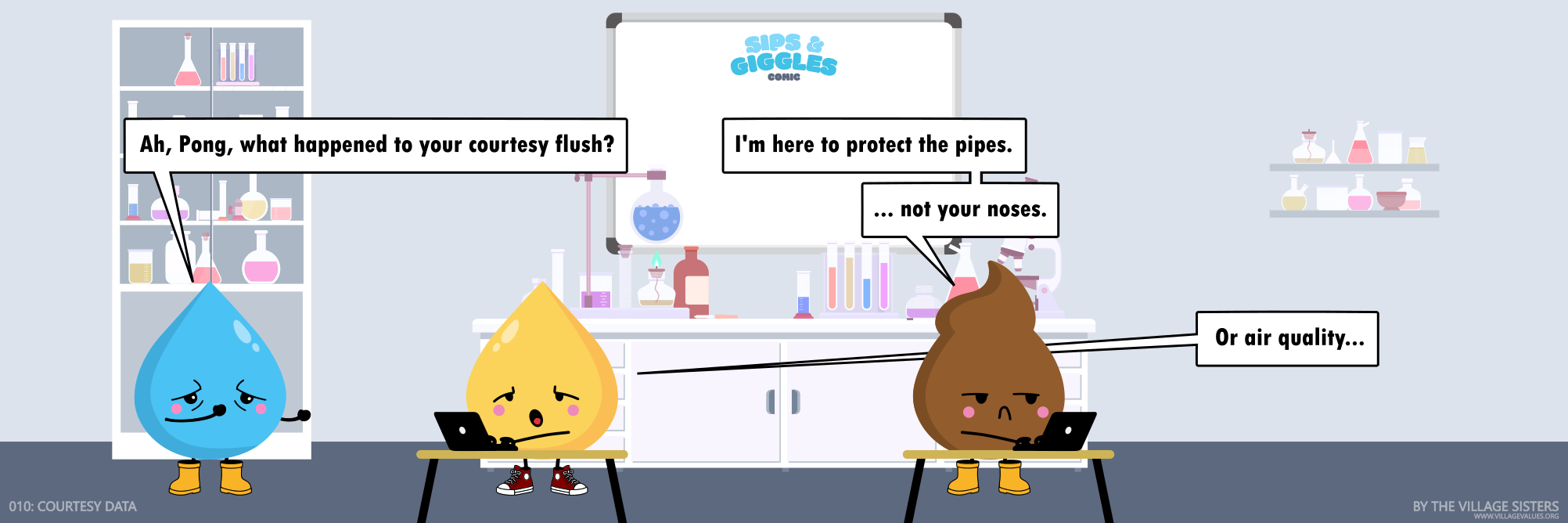
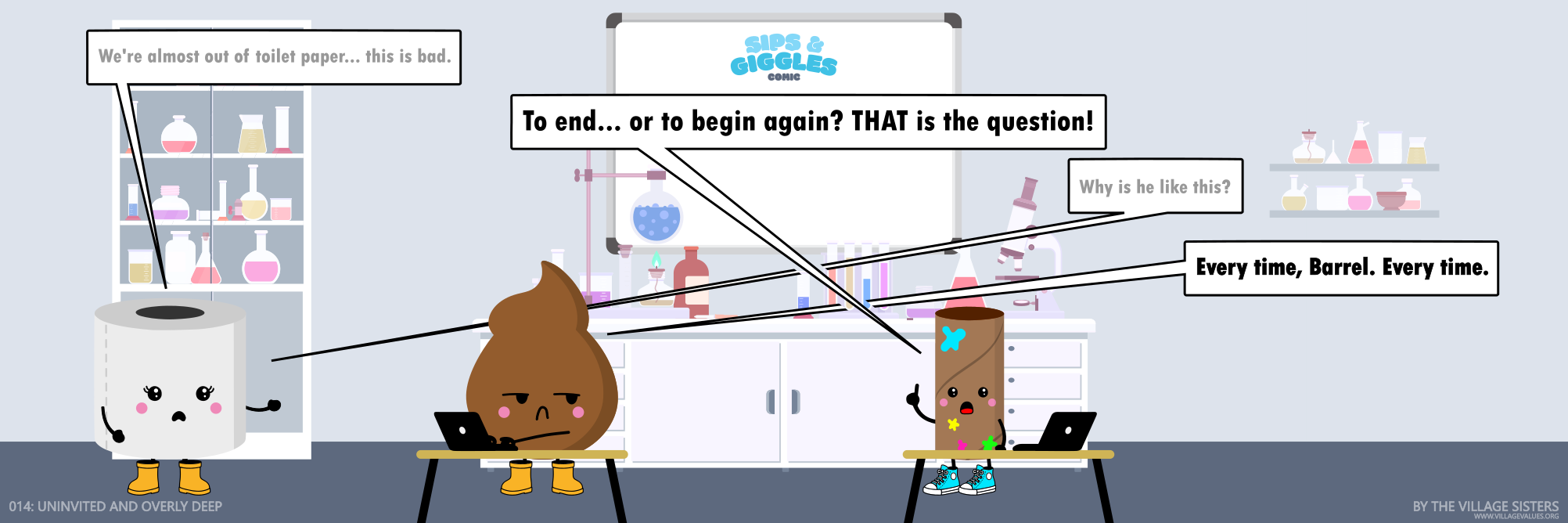
Laugh with Your Next Sip!
Our “Sips & Giggles Comic” is full of groan-worthy Dad Jokes… the kind that make you roll your eyes, then forward to a friend.
Laugh or groan here.
Thank you for reading!
~ The Village Sisters
